

Introduction
When it comes to the efficiency of your windows, thermal insulation plays a crucial role in maintaining indoor comfort and reducing energy costs. Choosing the right material for your windows can significantly impact the insulation properties of your home or building.
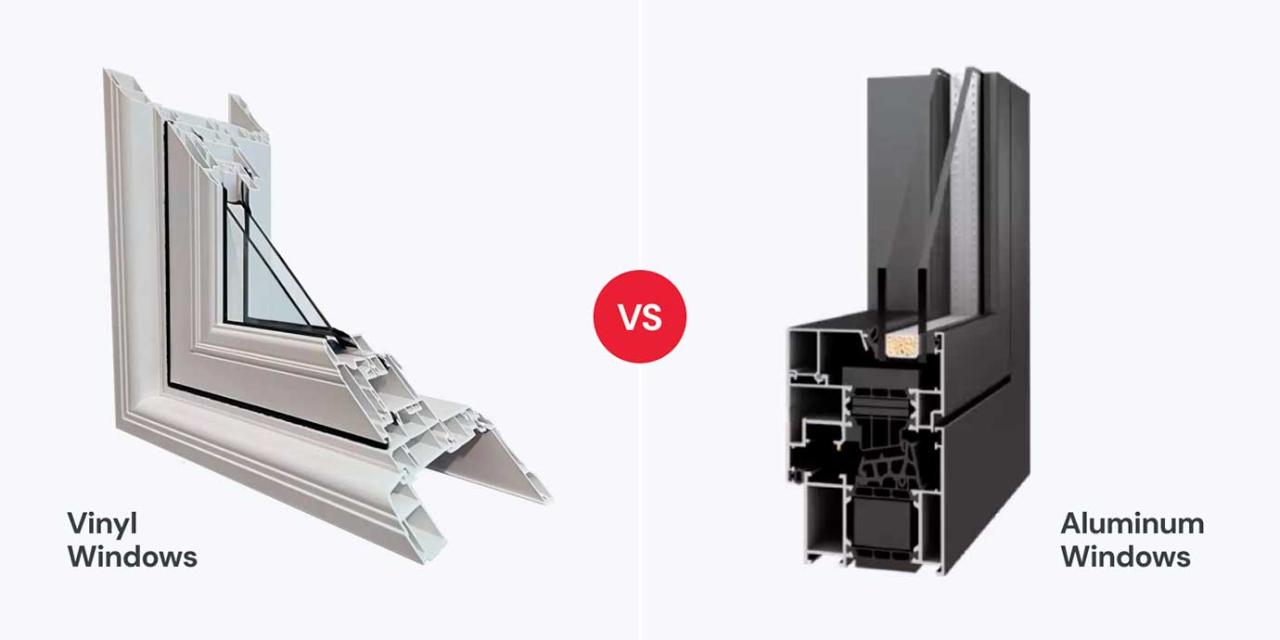
Vinyl and aluminum windows are two popular options in the market, each with its own set of characteristics that affect thermal insulation. Understanding the differences between these materials is essential in making an informed decision for your property.
The Significance of Thermal Efficiency
Proper thermal insulation helps regulate indoor temperatures by minimizing heat transfer through windows. This, in turn, reduces the reliance on heating and cooling systems, leading to energy savings and a more sustainable living environment.
Thermal Properties
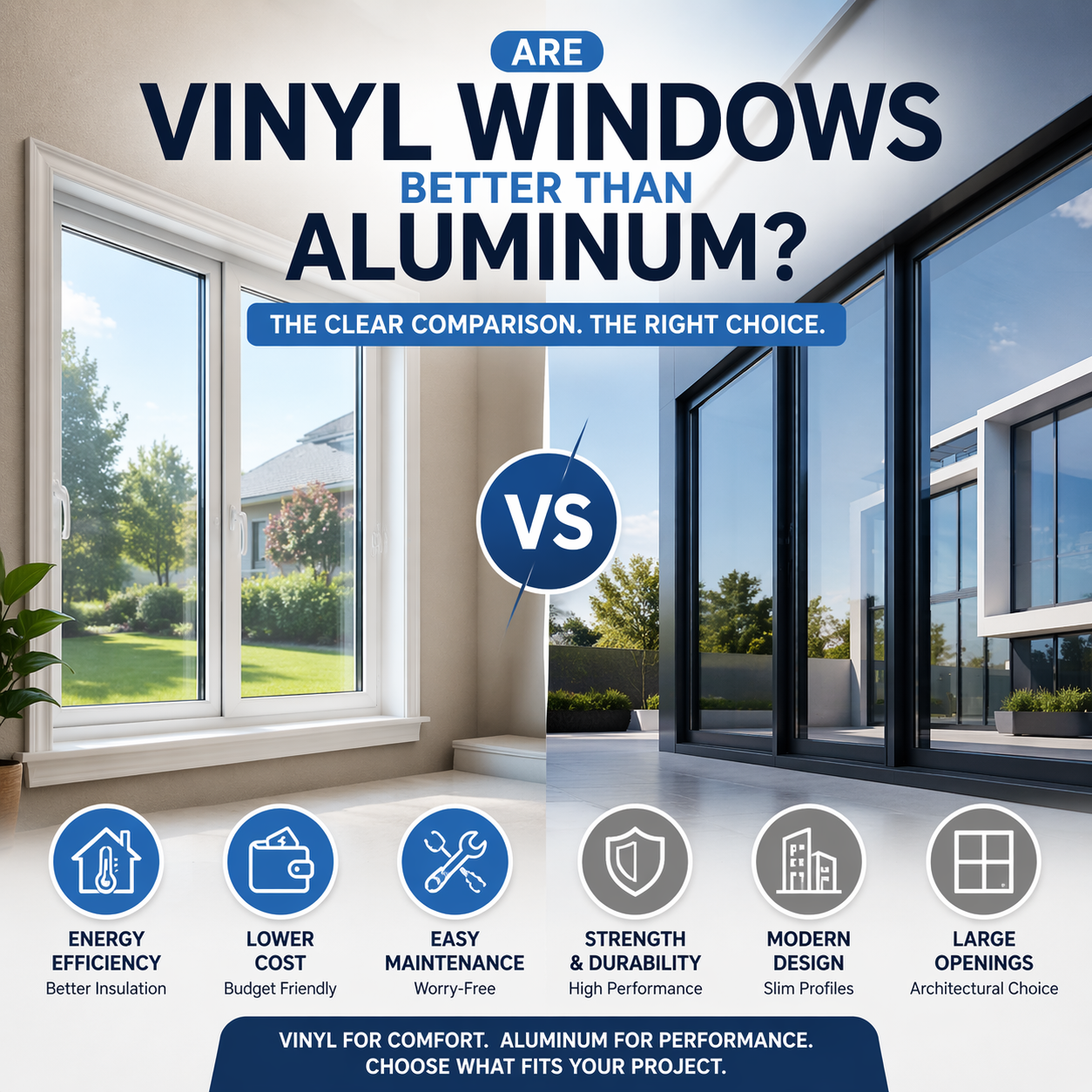
When it comes to thermal insulation, the choice between vinyl and aluminum windows can have a significant impact on the energy efficiency of a building. Let's delve into the thermal properties of these materials to understand their effectiveness in preventing heat transfer.
Thermal Conductivity
Thermal conductivity is a measure of how well a material can conduct heat. In this aspect, aluminum has a much higher thermal conductivity compared to vinyl. Aluminum is a metal known for its high thermal conductivity, meaning it can easily transfer heat from one side of the window to the other.
On the other hand, vinyl has a much lower thermal conductivity, making it a better insulator against heat transfer.
Heat Transfer Through Windows
When it comes to windows, heat transfer can occur through conduction, convection, and radiation. Aluminum windows, with their high thermal conductivity, allow heat to easily pass through the frame, resulting in energy loss and decreased insulation efficiency. Meanwhile, vinyl windows, with their lower thermal conductivity, provide better resistance to heat transfer, helping to maintain a more stable indoor temperature.
Impact of Thermal Bridging
Thermal bridging occurs when there is a direct connection between the interior and exterior of a building through a material that is conductive, such as aluminum. This can lead to increased heat loss and reduced insulation efficiency. In the case of vinyl windows, which have lower thermal conductivity and are less prone to thermal bridging, the insulation efficiency is higher, resulting in lower energy costs and improved comfort levels indoors.
Energy Efficiency
Vinyl and aluminum windows differ in their energy-saving capabilities and overall thermal insulation properties. Let's delve into how each material contributes to energy efficiency in buildings.
Vinyl Windows
Vinyl windows are known for their excellent energy-saving capabilities. The material itself is a poor conductor of heat, which helps to minimize heat transfer between the inside and outside of a building. This means that vinyl windows can effectively keep the indoor temperature stable, reducing the need for heating or cooling systems to work harder to maintain a comfortable environment.
As a result, homeowners can enjoy lower energy bills and reduced energy consumption over time.
Aluminum Windows
On the other hand, aluminum windows are not as effective in terms of insulation compared to vinyl windows. Aluminum is a highly conductive material, which means it can easily transfer heat. This can result in heat loss during the winter months and heat gain during the summer, leading to increased energy usage to regulate indoor temperatures.
However, advancements in technology have introduced thermal breaks in aluminum window frames to improve their energy performance to some extent.
Contribution to Reducing Heating and Cooling Costs
- Vinyl windows can significantly contribute to reducing heating and cooling costs by providing better insulation and minimizing heat transfer.
- Aluminum windows, although less efficient in insulation, can still help reduce energy costs when paired with additional energy-saving features like double or triple glazing.
Environmental Impact

When it comes to the environmental impact of vinyl and aluminum windows, it is important to consider the sustainability of their production processes, recyclability, and overall eco-friendliness. Making an informed choice between these materials can also contribute to aligning with green building practices.
Sustainability of Production Processes
Both vinyl and aluminum have environmental implications during their production processes. Aluminum production is energy-intensive and releases a significant amount of greenhouse gases, contributing to carbon emissions. On the other hand, vinyl production involves the use of chemicals that can be harmful to the environment if not managed properly.
It is essential for manufacturers to implement sustainable practices and reduce the environmental footprint of their production processes.
Recyclability and Eco-friendliness
Aluminum is highly recyclable and retains its properties even after multiple recycling cycles, making it a sustainable choice. In contrast, while vinyl can be recycled, the process is more complex and less common. Additionally, aluminum windows have a longer lifespan than vinyl windows, reducing the overall environmental impact in the long run.
When it comes to eco-friendliness, aluminum is often favored for its recyclability and durability.
Alignment with Green Building Practices
Choosing aluminum windows over vinyl can align with green building practices due to their recyclability and energy efficiency. Green building standards prioritize materials that have a lower environmental impact throughout their lifecycle, from production to disposal. By opting for aluminum windows, which are known for their sustainability and durability, builders and homeowners can contribute to creating more environmentally friendly structures.
Query Resolution
What are the key differences between vinyl and aluminum windows in terms of thermal insulation?
Answer: Vinyl windows typically offer better thermal insulation than aluminum windows due to their lower thermal conductivity.
Which material is more energy-efficient for windows, vinyl, or aluminum?
Answer: Vinyl windows are generally more energy-efficient compared to aluminum windows as they provide better insulation properties.
Are vinyl windows more environmentally friendly than aluminum windows?
Answer: Vinyl windows are considered more eco-friendly than aluminum windows because they are often more recyclable and energy-efficient.