

Vinyl Fencing Cost Analysis
When it comes to the cost of vinyl fencing, it is essential to break down the expenses per linear foot to understand how it compares to other fencing materials like wood. Various factors influence the overall cost of vinyl fencing installation, making it a popular choice among homeowners looking for a durable and low-maintenance option.
Cost Per Linear Foot
Vinyl fencing typically costs between $20 to $40 per linear foot, depending on the quality of the material, design, and installation complexity. This price range is higher compared to wood fencing, which usually ranges from $10 to $30 per linear foot.
However, it is crucial to consider the long-term savings with vinyl fencing due to its minimal maintenance requirements and longevity.
Factors Influencing Cost
- Quality of Material: Higher quality vinyl fencing will come at a higher price per linear foot but may offer better durability and aesthetics.
- Design Complexity: Intricate designs or customizations can increase the overall cost of vinyl fencing installation.
- Installation Labor: Labor costs for installing vinyl fencing can vary based on the experience of the contractor and the size of the project.
- Location: The geographical location can impact the cost of materials and labor, affecting the overall cost of vinyl fencing.
Wood Fencing Cost Analysis
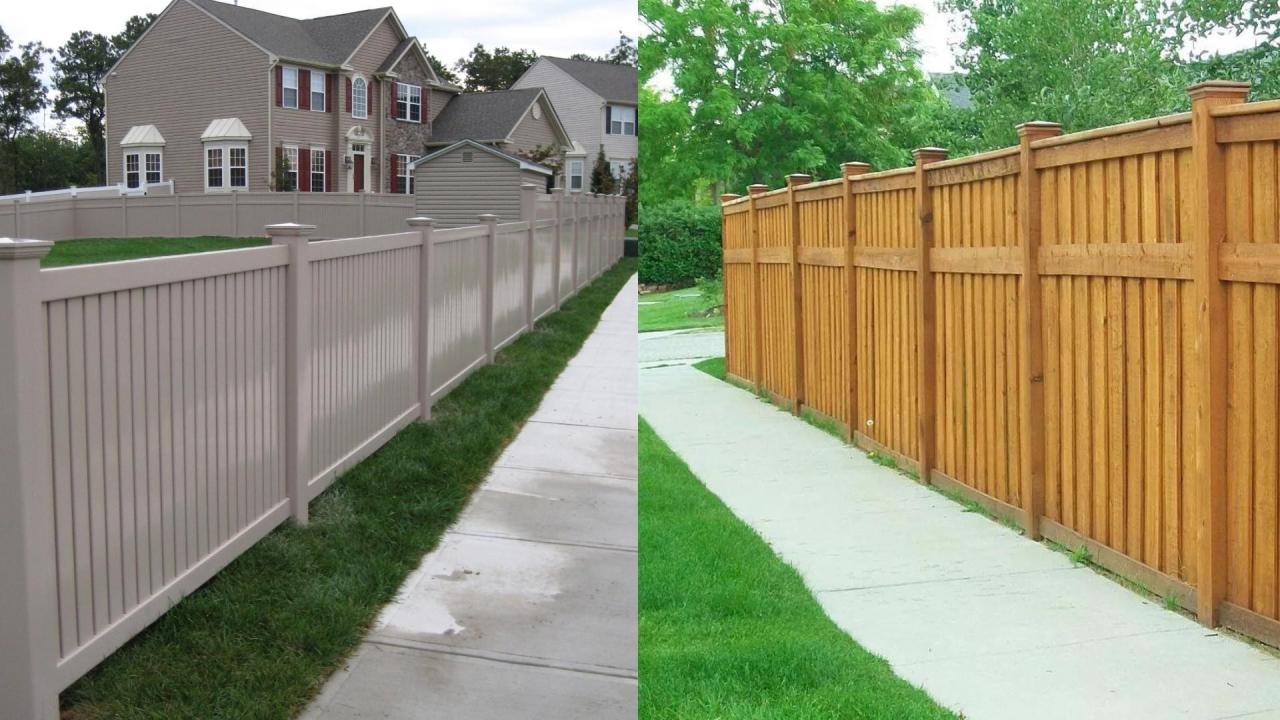
When it comes to wood fencing, the cost per linear foot can vary depending on the type of wood used and the quality of the materials. It's essential to consider not just the initial cost but also the long-term maintenance expenses associated with wood fencing.One of the key factors influencing the cost of wood fencing is the type of wood used.
Different woods come at different price points, with some being more expensive due to their durability and resistance to rot and insect damage. For example, cedar and redwood are popular choices for wood fencing due to their natural resistance to decay, which can result in a higher upfront cost compared to other types of wood like pine or spruce.In terms of maintenance costs, wood fencing requires regular upkeep to prevent rot, warping, and insect infestations.
This includes staining, sealing, and potentially replacing damaged boards or posts over time. These maintenance tasks can add up in terms of time and money, making wood fencing potentially more costly in the long run compared to vinyl fencing, which requires minimal maintenance.
Price Differences in Various Types of Wood
- Cedar and redwood: Known for their durability and resistance to decay, these woods are more expensive upfront but require less maintenance over time.
- Pine and spruce: More affordable options for wood fencing, but may require more frequent maintenance due to their susceptibility to rot and insect damage.
- Treated wood: Pressure-treated wood is another common choice for fencing, offering increased resistance to decay and insects at a moderate cost.
Durability and Longevity
Vinyl fencing is known for its durability, as it is resistant to rot, decay, and pests. On the other hand, wood fencing is susceptible to rot, insect damage, and warping over time. This difference in durability directly impacts the longevity of each material and, consequently, the overall cost of the fence.
Comparison of Durability
Vinyl fencing is highly durable and can last for decades with minimal maintenance. It does not require painting or staining, making it a low-maintenance option. Wood fencing, on the other hand, requires regular maintenance, such as staining and sealing, to prevent rot and decay.
Impact on Overall Cost
The longevity of vinyl fencing translates to lower long-term costs, as it does not require frequent repairs or replacements. In contrast, the maintenance requirements of wood fencing can add up over time, increasing the overall cost of ownership.
Maintenance Requirements
For vinyl fencing, maintenance is minimal and typically involves occasional cleaning with soap and water to remove dirt and grime. Wood fencing, on the other hand, requires regular inspections for signs of rot or insect damage, as well as re-staining or sealing every few years to protect the wood.
Aesthetics and Customization
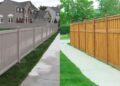
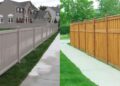
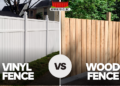
![How Much Does a Vinyl Fence Cost to Install? [2026 Data] | Angi](https://media.angi.com/s3fs-public/vinyl-fence-versus-wood-fence.png?impolicy=infographic "How Much Does a Vinyl Fence Cost to Install? [2026 Data] | Angi")
When it comes to aesthetics and customization, both vinyl fencing and wood fencing offer unique options for homeowners looking to enhance the appearance of their properties.Vinyl Fencing:
Aesthetic Options for Vinyl Fencing
- Comes in a variety of colors and finishes, including white, tan, and gray.
- Can mimic the look of wood, stone, or other materials for a more customized appearance.
- Smooth surface provides a modern and clean aesthetic.
Wood Fencing:
Customization Possibilities for Wood Fencing
- Can be stained or painted in a wide range of colors to match any home exterior.
- Different wood species like cedar, pine, or redwood offer unique textures and grains for a personalized look.
- Custom designs such as lattice tops, scalloped edges, or decorative post caps can be easily incorporated.
Impact of Design Choices on Cost Per Linear Foot
Design choices play a significant role in determining the cost per linear foot for both vinyl and wood fencing.
For vinyl fencing, more intricate designs or colors beyond the standard options may increase the overall cost per linear foot.
Wood fencing costs can vary based on the wood species chosen, the complexity of the design, and any additional customizations like staining or painting.
Ultimately, the more customized and intricate the design, the higher the cost per linear foot for both vinyl and wood fencing.
Installation Considerations
When it comes to installing vinyl fencing versus wood fencing, there are some key differences to consider. The installation process, special considerations, and overall complexity can all impact the total cost of your fencing project.
Installation Process for Vinyl Fencing
Installing vinyl fencing typically involves the following steps:
- Marking out the fence line and digging post holes
- Setting the posts in concrete
- Attaching the rails and pickets to the posts
- Adding post caps and any decorative elements
Vinyl fencing is known for its ease of installation due to the lightweight materials and simple interlocking designs. This can help reduce labor costs and overall installation time.
Special Considerations for Wood Fencing
Wood fencing installation may require additional considerations such as:
- Treating the wood for weather resistance
- Sealing or staining the wood for longevity
- Dealing with potential warping or twisting of the wood over time
Wood fencing can be more labor-intensive to install compared to vinyl fencing, especially if there are unique landscaping challenges or uneven terrain to work with.
Influence of Installation Complexity on Overall Cost
The complexity of the installation process can directly impact the overall cost of your fencing project. Factors such as terrain, landscaping obstacles, and customization requirements can all contribute to increased labor costs and time.It's essential to consider these installation considerations when deciding between vinyl and wood fencing, as they can affect not only the upfront costs but also the long-term maintenance and durability of your fence.
FAQ Explained
What factors influence the cost of vinyl fencing installation?
Factors such as material quality, fence height, terrain complexity, and location can impact the overall cost of vinyl fencing installation.
How does the longevity of wood fencing compare to vinyl fencing?
Wood fencing typically requires more maintenance than vinyl fencing, which can affect its longevity and overall cost over time.
What are some aesthetic options available for vinyl fencing?
Vinyl fencing offers a variety of styles, colors, and textures to choose from, allowing for customization to suit different preferences.
Are there specific challenges to consider when installing wood fencing?
Wood fencing installation may require more maintenance over time due to factors like rotting, warping, and pest infestations, which can impact long-term costs.