

Understanding Endurance Car Warranty Cost
When it comes to understanding the cost of an extended car warranty, there are several factors that come into play. These factors can influence the overall price you pay for coverage and determine what options are available to you.
Factors Influencing Warranty Costs
- The type of coverage you choose: The more comprehensive the coverage, the higher the cost. Basic plans covering essential components will be more affordable compared to plans that include additional perks like roadside assistance or rental car reimbursement.
- The length of coverage: Extended warranties can range from a few years to up to a decade. Naturally, the longer the coverage period, the higher the cost.
- The deductible amount: Opting for a lower deductible will result in a higher upfront cost for the warranty.
Typical Coverage Options and Costs
- Powertrain Warranty: Covers essential components like the engine and transmission. Cost can range from $500 to $1,500.
- Bumper-to-Bumper Warranty: Offers more comprehensive coverage, including electronics and other parts. Prices typically start at $1,000 and can go up to $3,000 or more.
- High-Tech Component Warranty: Focuses on covering advanced technology components in modern vehicles, such as infotainment systems and sensors. Costs can vary but usually fall between $1,500 to $2,500.
Impact of Vehicle Type and Age
- Newer vehicles tend to have lower warranty costs due to their lower likelihood of needing repairs.
- Luxury or high-performance vehicles may have higher warranty costs due to the expense of their parts and repairs.
- Older vehicles may have higher warranty costs due to increased wear and tear on components.
Choosing a Warranty Plan Within Your Budget
When it comes to selecting an endurance car warranty, it's crucial to consider your budget carefully. Understanding the cost and coverage of different plans can help you make an informed decision that aligns with your financial situation.
Evaluating Your Budget
Before choosing a warranty plan, take a close look at your budget to determine how much you can comfortably afford to spend on coverage. Consider factors like your monthly expenses, emergency savings, and any existing car repair funds you may have.
Comparing Warranty Plans
Compare the cost and coverage of different warranty plans to find the best fit for your budget. Look at factors such as deductibles, monthly premiums, and what repairs are covered. Keep in mind that a higher upfront cost may lead to lower out-of-pocket expenses down the road.
Long-Term Savings vs. Immediate Costs
When evaluating warranty plans, consider the long-term savings versus immediate costs. While a plan with lower monthly premiums may seem more affordable now, it could end up costing you more in the long run if it doesn't provide adequate coverage.
On the other hand, investing in a more comprehensive plan upfront could save you money on expensive repairs later on.
Negotiating for Better Warranty Pricing
When it comes to getting the best deal on an endurance car warranty, negotiating for better pricing can make a significant difference. By employing the right strategies and knowing when to negotiate, you can potentially save money while still getting the coverage you need.
Timing Your Negotiation
- Consider negotiating towards the end of the month or quarter when dealerships may be more motivated to make sales quotas.
- Wait until the end of the manufacturer's warranty period to leverage the expiration as a negotiation point.
- Take advantage of special promotions or sales events that dealerships may offer for discounted warranty plans.
Bundling Services and Deductibles
- Bundle your warranty with other services, such as maintenance plans or roadside assistance, to potentially lower the overall cost.
- Opt for a higher deductible on your warranty plan in exchange for a lower monthly or annual premium.
- Compare different deductible options to find the right balance between upfront costs and potential savings in the long run.
Calculating the Overall Value of a Warranty
When considering an endurance car warranty, it is essential to calculate the overall value it provides to determine if it aligns with your financial goals and needs. By evaluating the costs versus potential savings over the lifespan of the warranty, you can make an informed decision that fits your budget and offers adequate coverage.
Breakdown of Costs vs. Potential Savings
- Start by analyzing the upfront cost of the warranty, including any deductibles or additional fees required.
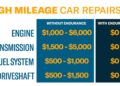
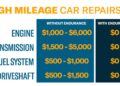
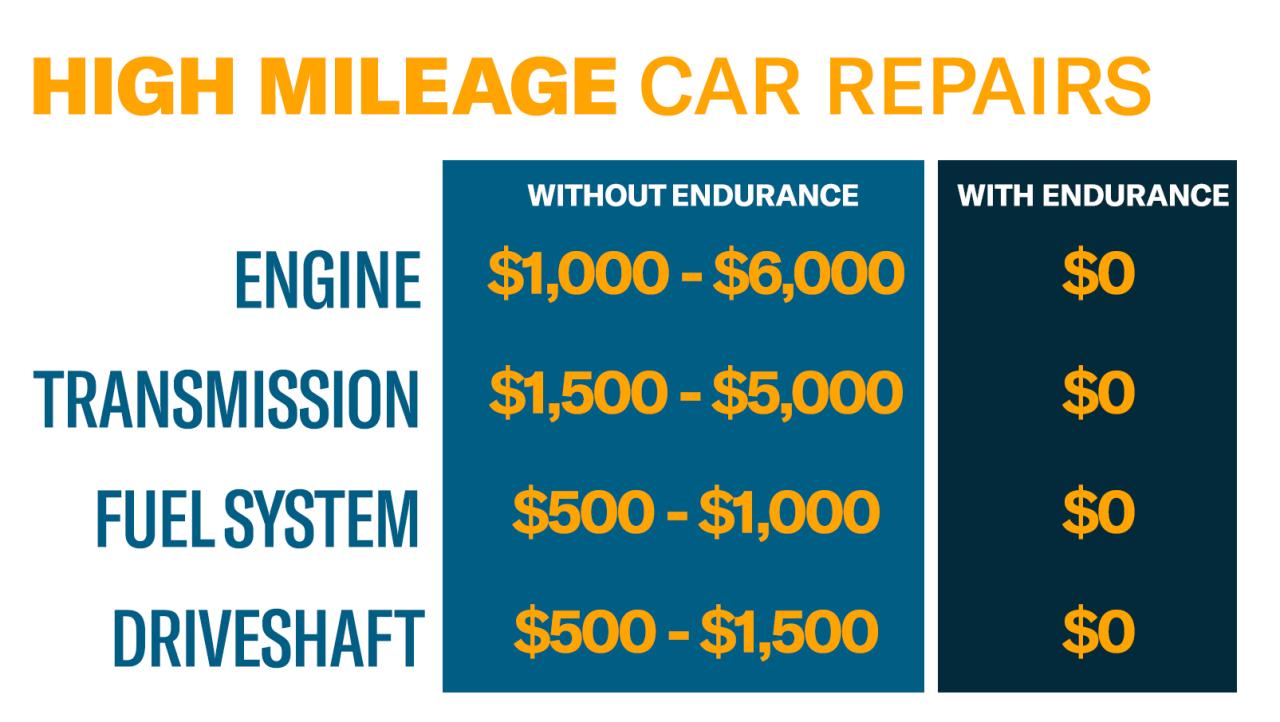
- Estimate the potential savings by considering the average cost of repairs without a warranty versus the coverage provided by the warranty.
- Factor in the likelihood of needing repairs based on the age, mileage, and reliability of your vehicle.
- Compare the total costs over the warranty period to the potential savings to determine the net value of the warranty.
Importance of Short-term and Long-term Financial Implications
- Consider the immediate impact on your budget when purchasing the warranty, ensuring it is affordable and does not strain your finances.
- Evaluate the long-term benefits by projecting potential savings over the warranty period and how they contribute to your overall financial well-being.
- Assess the peace of mind and convenience the warranty offers in handling unexpected repair costs, providing value beyond the monetary investment.
FAQ Explained
What factors influence the cost of an extended car warranty?
Factors like coverage options, type of vehicle, and age can impact the price of a warranty.
How can you evaluate your budget when selecting an endurance car warranty plan?
Evaluate your current financial situation and consider long-term savings versus immediate costs.
What are some strategies for negotiating lower prices on endurance car warranties?
Negotiate bundling services or opting for deductibles to reduce costs.
How do you calculate the overall value of an endurance car warranty?
Calculate costs versus potential savings over the lifespan of the warranty to determine value.