

Introduction to Vinyl and Wood Fencing
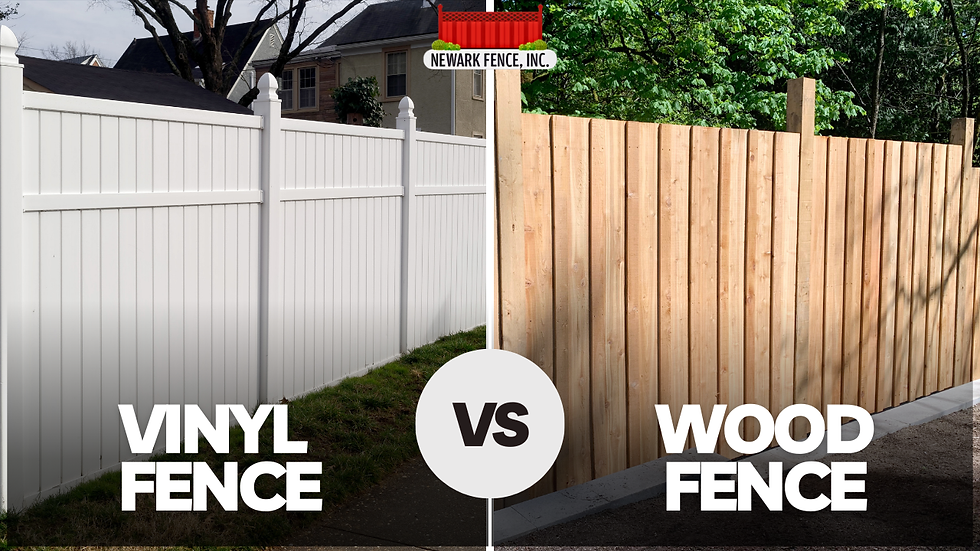
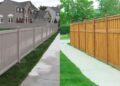
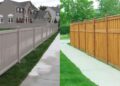
Vinyl fencing is a type of synthetic fencing made from PVC (polyvinyl chloride) that offers durability and low maintenance. It is known for its resistance to rot, decay, and pests, as well as its ability to withstand harsh weather conditions.Wood fencing, on the other hand, is a classic fencing option made from natural wood materials such as cedar, pine, or redwood.
It provides a traditional and rustic look to properties and can be easily customized with paint or stain.
Key Characteristics of Vinyl Fencing
- Low maintenance
- Durable and long-lasting
- Resistant to rot, decay, and pests
- Can withstand harsh weather conditions
Key Characteristics of Wood Fencing
- Classic and traditional look
- Can be easily customized with paint or stain
- Natural material
- May require more maintenance over time
Durability Factors of Vinyl Fencing
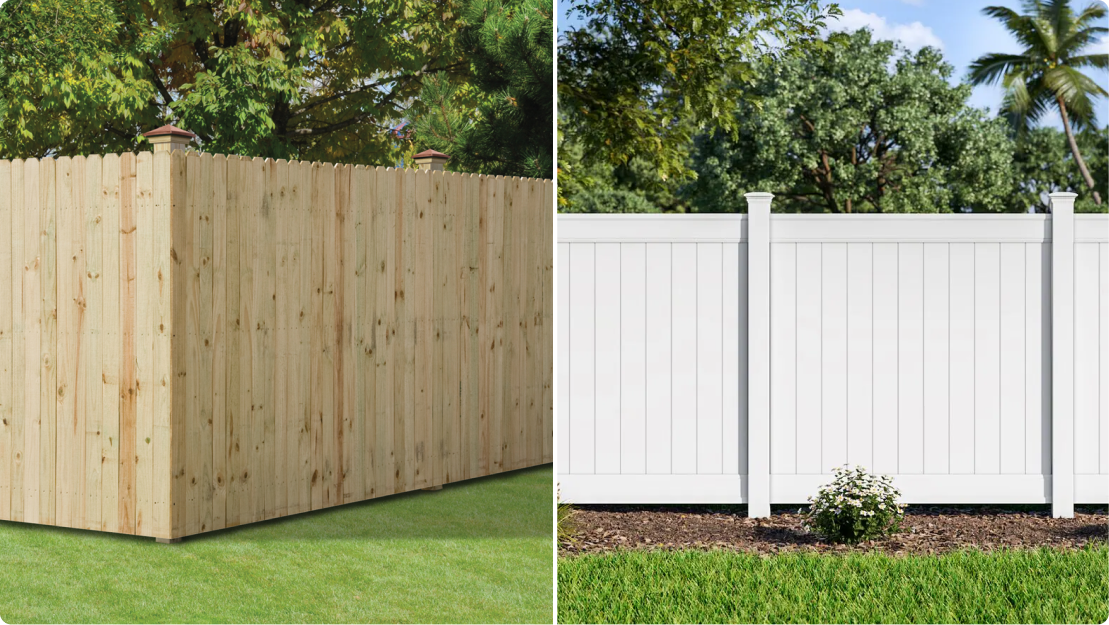
Vinyl fencing is known for its exceptional durability, making it a popular choice for homeowners looking for a long-lasting fencing solution. Let's delve into the key factors that contribute to the durability of vinyl fencing.
Weather Resistance
Vinyl fencing is highly resistant to various weather conditions, including extreme heat, cold, and moisture. Unlike wood fencing that may warp, crack, or rot over time when exposed to harsh weather, vinyl fencing maintains its structural integrity and appearance, making it a reliable option for outdoor use.
Resistance to Rot, Decay, and Insect Damage
One of the main advantages of vinyl fencing is its resistance to rot, decay, and insect damage. Unlike wood fencing that is susceptible to decay and insect infestations, vinyl fencing does not absorb moisture, preventing rot and decay. Additionally, vinyl fencing does not attract termites or other wood-boring insects, ensuring its longevity.
Maintenance Requirements
Vinyl fencing is relatively low maintenance compared to wood fencing. To keep vinyl fencing looking its best, occasional washing with soap and water is usually sufficient. Unlike wood fencing that requires regular staining, painting, or sealing to prevent decay and maintain its appearance, vinyl fencing retains its color and finish without the need for frequent maintenance tasks.
Durability Factors of Wood Fencing
Wood fencing is a popular choice for its natural aesthetic appeal, but its durability can be influenced by various factors.
Impact of Weather Conditions
Wood fencing is susceptible to damage from different weather conditions. Exposure to moisture from rain or snow can lead to swelling, warping, and cracking of the wood over time. Extreme heat or cold can also cause the wood to expand and contract, weakening its structure.
Rot, Decay, and Insect Damage
One of the biggest threats to wood fencing is rot, decay, and insect infestations. Moisture can seep into the wood, providing an ideal environment for fungal growth and decay. Insects like termites can burrow into the wood, causing structural damage and compromising the fence's stability.
Maintenance Requirements
Wood fencing requires regular maintenance to ensure its longevity. This includes staining or painting the wood to protect it from moisture and UV rays, as well as sealing any cracks or gaps to prevent water infiltration. Inspecting the fence for signs of rot or insect damage and addressing them promptly is essential to prolonging the life of the wood fencing.
Comparison of Installation Process
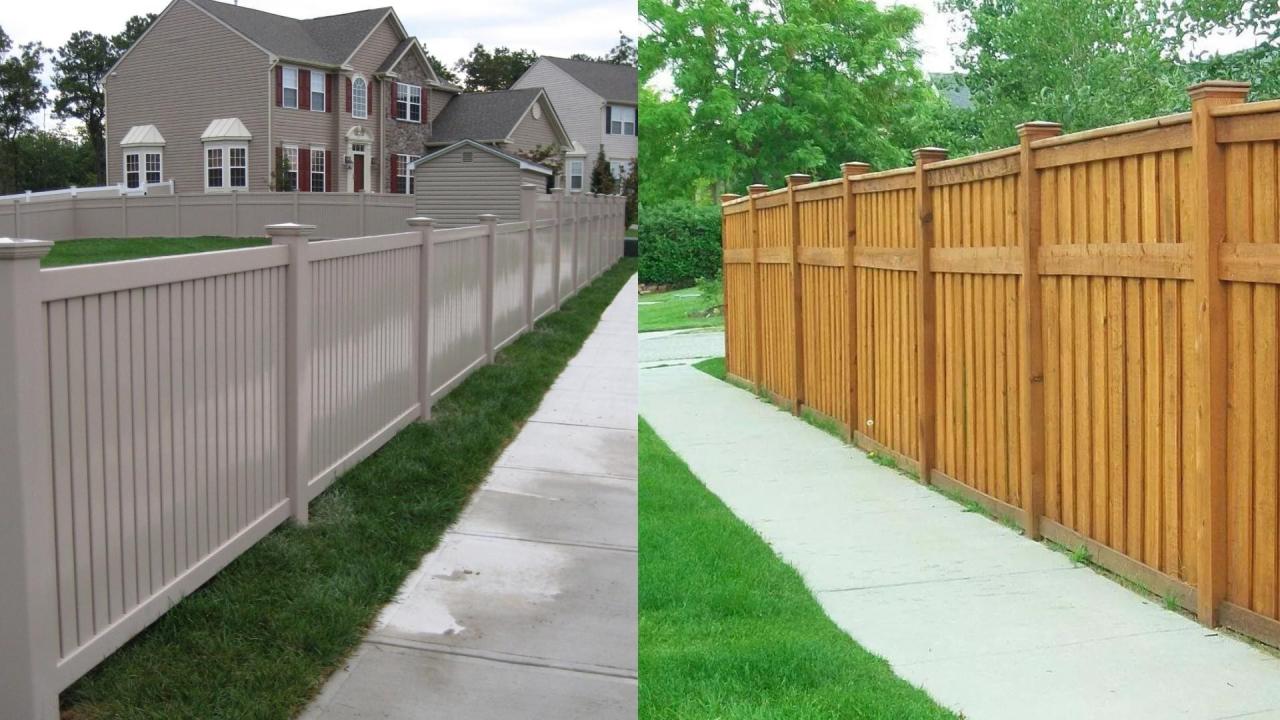
When it comes to installing fencing, the process can vary depending on the material being used. Below we will detail the installation process for both vinyl fencing and wood fencing to compare the ease of installation between the two options.
Vinyl Fencing Installation Process
- Begin by marking the layout of the fence using stakes and string to ensure straight lines.
- Dig holes for the fence posts, ensuring they are deep enough to provide stability.
- Insert the fence posts into the holes and secure them with concrete for added stability.
- Attach the rails to the posts using brackets and secure them in place.
- Slide the vinyl panels into the rails and secure them according to the manufacturer's instructions.
- Finish by adding post caps and any other decorative elements as desired.
Wood Fencing Installation Process
- Start by marking the layout of the fence and digging holes for the posts.
- Insert the wooden posts into the holes and secure them with concrete or gravel.
- Attach horizontal rails to the posts to provide support for the pickets.
- Install the pickets by nailing or screwing them to the rails, ensuring they are evenly spaced.
- Add a top rail for additional support and finish with any desired decorative elements.
Overall, the installation process for vinyl fencing is typically considered easier and quicker than wood fencing. This is due to the lightweight nature of vinyl materials and the way in which they easily slot together. Wood fencing, on the other hand, may require more heavy lifting and precise measurements during installation, making it a bit more labor-intensive.
However, both types of fencing can be installed by DIY enthusiasts with the right tools and knowledge.
Cost Considerations
When it comes to choosing between vinyl fencing and wood fencing, cost is a crucial factor to consider. Let's delve into the initial cost, long-term implications, and maintenance expenses of both options.
Initial Cost Comparison
Vinyl fencing typically has a higher upfront cost compared to wood fencing. The initial investment for vinyl fencing includes the cost of materials, installation, and additional features like gates or decorative elements. On the other hand, wood fencing is generally more affordable initially, as wood is a cheaper material compared to vinyl.
Long-Term Cost Implications
While vinyl fencing may have a higher initial cost, it tends to be more cost-effective in the long run. Vinyl fences require minimal maintenance and are resistant to rot, mold, and pests, which can lead to significant cost savings over time.
On the contrary, wood fencing may require regular maintenance, such as staining, painting, and repairs, which can add up in terms of both time and money.
Maintenance Cost Comparison
In terms of maintenance expenses, vinyl fencing is the clear winner. Vinyl fences are low-maintenance and only require occasional cleaning with soap and water to maintain their appearance. On the other hand, wood fences need to be regularly treated, stained, or painted to protect them from the elements and prevent rotting or warping.
These maintenance tasks can incur additional costs for wood fence owners, making vinyl fencing a more cost-effective option in the long term.
Environmental Impact
Vinyl and wood fencing materials have different environmental impacts throughout their production and disposal processes. Let's delve into the sustainability factors of vinyl and wood fencing to understand their environmental footprints.
Vinyl Fencing
Vinyl fencing is made from PVC (polyvinyl chloride), a plastic material that is not biodegradable. The production of vinyl fencing involves the use of chemicals and energy-intensive processes, contributing to air and water pollution. Additionally, the disposal of vinyl fencing at the end of its lifespan can result in the release of harmful toxins into the environment, further impacting ecosystems.
Wood Fencing
Wood fencing is typically constructed from natural materials such as cedar or pine. While wood is a renewable resource, the production of wood fencing may involve deforestation and the use of chemicals for treatment and preservation. The disposal of wood fencing can contribute to landfill waste if not recycled or repurposed, leading to environmental concerns related to decomposition and methane emissions.
Comparison of Sustainability Factors
When comparing the sustainability factors of vinyl and wood fencing materials, it is essential to consider the overall environmental impact from production to disposal. While wood is a renewable resource, the potential for deforestation and chemical treatment raises concerns about its long-term sustainability.
On the other hand, vinyl fencing's non-biodegradable nature and reliance on chemical processes highlight its environmental drawbacks. Overall, both vinyl and wood fencing materials have environmental impacts that need to be carefully considered in terms of sustainability and eco-friendliness.
Key Questions Answered
What are the main differences between vinyl and wood fencing materials?
Vinyl fencing is known for its low maintenance and durability, while wood fencing offers a more traditional look but requires more upkeep to prevent rot and decay.
Which fencing material is more cost-effective in the long run?
While vinyl fencing has a higher initial cost, it tends to be more cost-effective over time due to lower maintenance requirements compared to wood fencing.
What are the environmental impacts of vinyl and wood fencing production?
Vinyl fencing production can have negative environmental impacts due to chemicals used, while wood fencing production can lead to deforestation. It's important to consider sustainability factors when choosing between the two.