

Introduction to Endurance Car Warranty
An endurance car warranty is a type of extended warranty that provides coverage for repairs and maintenance on a used car after the manufacturer's warranty has expired. It offers peace of mind to used car buyers by protecting them from unexpected repair costs.
The Importance of an Endurance Car Warranty for Used Car Buyers
When purchasing a used car, buyers often face the risk of potential mechanical breakdowns that can be costly to repair. An endurance car warranty helps mitigate this risk by covering a wide range of repairs, giving buyers financial protection and reducing the stress of unexpected expenses.
The Benefits of Having an Endurance Car Warranty
- Financial Protection: An endurance car warranty covers the cost of repairs, saving buyers money in the long run.
- Peace of Mind: Knowing that repairs are covered under warranty gives buyers peace of mind and confidence in their used car purchase.
- Rental Car Reimbursement: Some endurance warranties offer rental car reimbursement, ensuring buyers have transportation while their car is being repaired.
- 24/7 Roadside Assistance: Many endurance warranties include roadside assistance for emergencies like flat tires, dead batteries, or towing needs.
Types of Endurance Car Warranties
When it comes to Endurance car warranties, there are several types available in the market. These warranties provide coverage for different components of your vehicle, offering peace of mind to used car buyers.
Extended Warranties vs. Manufacturer Warranties
Extended warranties offered by Endurance typically cover a wide range of components beyond what the manufacturer warranty provides. While manufacturer warranties are limited in scope and duration, extended warranties offer more comprehensive coverage for a longer period of time. However, extended warranties usually come at an additional cost compared to manufacturer warranties.
Specific Coverage Options
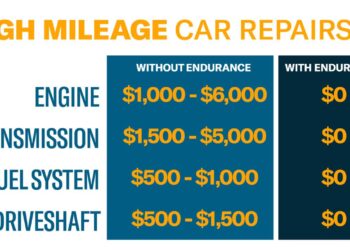
Endurance car warranties may include coverage for essential components such as the engine, transmission, electrical system, and air conditioning. Additional coverage options may also be available for items like roadside assistance, rental car reimbursement, and trip interruption benefits. These specific coverage options can vary depending on the plan you choose and your individual needs.
Factors to Consider When Choosing an Endurance Car Warranty
When selecting an endurance car warranty for a used vehicle, there are several important factors that buyers should take into consideration to ensure they are getting the right coverage for their needs.
Age and Mileage of the Used Car
The age and mileage of a used car play a crucial role in determining the type of endurance car warranty that would be most suitable. Older vehicles with higher mileage may be more prone to mechanical issues, making a comprehensive warranty with extensive coverage a wise choice.
On the other hand, newer cars with lower mileage may benefit from a more basic warranty that covers essential components.
- Older vehicles with high mileage may require a warranty that includes coverage for major components such as the engine, transmission, and electrical systems.
- Newer cars with lower mileage may only need a warranty that covers basic repairs and regular maintenance.
Additional Services or Features to Look For
In addition to the basic coverage, buyers should also consider any additional services or features that come with the endurance car warranty to maximize its value.
- 24/7 roadside assistance for emergencies or breakdowns can provide peace of mind and added convenience.
- Rental car reimbursement in case the vehicle needs extensive repairs and is in the shop for an extended period.
- Transferable warranty options are beneficial if the car is sold before the warranty expires, adding resale value to the vehicle.
Common Misconceptions About Endurance Car Warranties
When it comes to endurance car warranties, there are several common misconceptions that buyers should be aware of. These misconceptions can lead to misunderstandings and potential pitfalls when purchasing a warranty for your used car.
All Repairs Are Covered
One of the most common misconceptions about endurance car warranties is that they cover all repairs without any limitations. In reality, most warranties have specific exclusions and limitations that may not cover certain parts or types of repairs. It is essential for buyers to carefully review the warranty terms and conditions to understand what is and isn't covered
Endurance Warranties are Transferable
Another misconception is that endurance warranties are automatically transferable if you sell your car. While some warranties may be transferable, others may require additional fees or paperwork to transfer the coverage to a new owner. It's crucial to check the transferability terms of the warranty before making a decision.
Extended Warranties are Expensive and Not Worth It
Many buyers believe that extended warranties are expensive and not worth the investment. However, having an endurance car warranty can provide peace of mind and financial protection against unexpected repair costs. It's essential to weigh the cost of the warranty against potential repair expenses to determine if it is a worthwhile investment.
Endurance Warranties Are Only for New Cars
Some buyers mistakenly believe that endurance warranties are only available for new cars. In reality, endurance warranties can also be purchased for used cars to provide coverage for mechanical breakdowns and repairs. It's important to explore warranty options for your specific vehicle to find the best coverage for your needs.
Maintenance and Wear-and-Tear Items are Covered
Another misconception is that endurance warranties cover routine maintenance and wear-and-tear items. However, most warranties only cover mechanical breakdowns and repairs due to normal use. It's essential to understand the difference between maintenance services and repair coverage when considering an endurance warranty for your car.
Steps to Take When Making a Claim with an Endurance Car Warranty
When it comes to making a claim with your Endurance car warranty, following the correct steps and providing accurate documentation is crucial for a successful outcome. Here are some essential tips to help you navigate the process smoothly.
Documenting and Communicating Issues Effectively
- Keep detailed records: Make sure to document all maintenance and repairs done on your vehicle, including dates, receipts, and invoices.
- Describe issues clearly: When filing a claim, provide a clear and concise description of the problem you are experiencing with your car.
- Include supporting evidence: Attach any relevant photographs or videos that can help the warranty provider understand the issue better.
- Communicate promptly: Respond to any requests for additional information or documentation from the warranty company in a timely manner.
Handling Claim Denials or Disputes
- Review the warranty contract: Make sure to carefully read through your warranty contract to understand the coverage and reasons for claim denials.
- Appeal the decision: If your claim is denied and you believe it was unjust, consider appealing the decision with additional evidence or information.
- Seek clarification: If you are unsure about the reason for a claim denial, reach out to the warranty provider for clarification and guidance.
- Consider arbitration: In case of unresolved disputes, arbitration may be an option to settle the claim disagreement fairly.
FAQs
What factors should be considered when choosing an endurance car warranty?
Factors such as coverage, cost, age, and mileage of the used car should be carefully evaluated before selecting an endurance car warranty.
Are there any hidden clauses or limitations in endurance car warranties?
Buyers should be aware of any hidden clauses or limitations that may restrict coverage or lead to claim denials. It's important to review the terms and conditions carefully.
How can buyers effectively document issues when making a claim with an endurance car warranty?
Buyers should document issues thoroughly with photos, videos, and detailed descriptions. Clear communication with the warranty provider is key for a successful claim process.