


Introduction to Smart Windows Doors
Smart Windows Doors refer to innovative home entrances equipped with advanced technology to enhance security and convenience. These smart features are designed to provide homeowners with a seamless and integrated experience, offering a new level of control and monitoring for their living spaces.
In the modern era of smart homes, the integration of IoT security into these entrances has become a crucial aspect of ensuring safety and peace of mind for residents.
Significance of Integrating IoT Security
The concept of integrating IoT security into home entrances involves connecting smart windows and doors to a network that allows for remote monitoring and control. This interconnected system enables homeowners to receive real-time alerts, access surveillance footage, and even remotely lock or unlock their doors.
By incorporating IoT technology into these entry points, residents can enhance the overall security of their homes and have greater peace of mind knowing that their entrances are protected.
- Enhanced Security: Smart windows and doors with IoT security features provide an additional layer of protection against intruders and unauthorized access.
- Convenience: The ability to remotely monitor and control home entrances offers convenience and flexibility to homeowners, especially when away from home.
- Integration with Smart Home Systems: IoT-enabled windows and doors can be seamlessly integrated with other smart home devices, creating a cohesive and interconnected ecosystem.
- Energy Efficiency: Some smart windows can automatically adjust their tint or open/close based on the environmental conditions, contributing to energy savings.
IoT Security Features for Smart Windows Doors
When it comes to smart windows and doors, integrating IoT security features is crucial for ensuring the safety and privacy of your home. These features not only enhance the security of home entrances but also provide peace of mind to homeowners.
Let's explore some common IoT security features used in smart windows and doors:
Encryption
One of the key IoT security features is encryption, which ensures that data transmitted between devices is secure and cannot be intercepted by unauthorized parties. By encrypting communication signals, smart windows and doors can prevent hackers from gaining access to your home network.
Authentication
Authentication protocols are another important aspect of IoT security for smart home devices. By requiring users to verify their identity through passwords, fingerprints, or other means, smart windows and doors can ensure that only authorized individuals can control access to the home.
Firewall Protection
Firewall protection is essential for blocking unauthorized access to your smart windows and doors. By setting up a firewall, you can prevent malicious attacks and secure your home network from potential threats.
Secure Firmware Updates
Regular firmware updates are necessary to keep smart windows and doors secure. By implementing secure update mechanisms, manufacturers can ensure that any vulnerabilities are patched promptly, reducing the risk of cyber attacks.
IoT Security Protocols
| Protocol | Description |
|---|---|
| Transport Layer Security (TLS) | Provides secure communication over a network by encrypting data transmissions. |
| Message Queuing Telemetry Transport (MQTT) | Lightweight protocol ideal for IoT devices due to its efficiency in transmitting data. |
| IP Security (IPsec) | Ensures secure communication by authenticating and encrypting IP packets. |
Integration of IoT Technology in Home Entrances
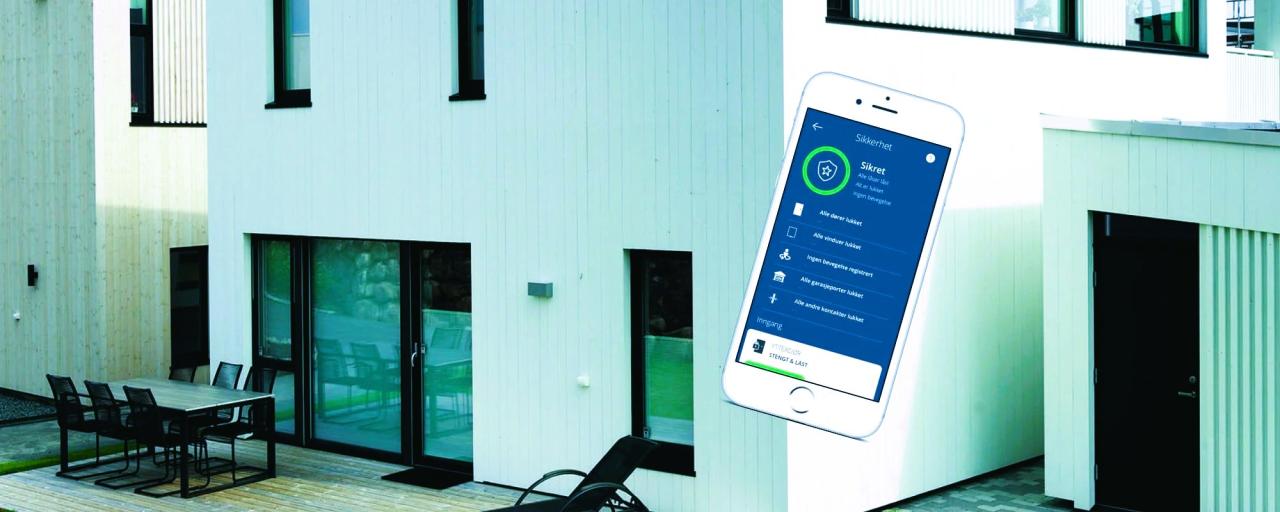
Integrating IoT technology into home entrances, specifically windows and doors, involves connecting these elements to a network to enable remote monitoring and control.
Examples of IoT Usage in Smart Windows and Doors
- Smart Locks: IoT-enabled locks can be controlled remotely through a smartphone app, allowing homeowners to grant access to guests or service providers from anywhere.
- Automated Blinds: Smart blinds integrated with IoT technology can adjust based on sunlight levels or programmed schedules, enhancing energy efficiency.
- Security Cameras: IoT-connected cameras at door entrances provide real-time monitoring and alerts for enhanced home security.
Challenges and Considerations in IoT Integration
- Security Risks: As with any IoT device, smart windows and doors are vulnerable to hacking attempts, so robust cybersecurity measures must be implemented.
- Compatibility Issues: Ensuring that all IoT devices in the home entrance ecosystem can communicate effectively with each other is crucial for seamless operation.
- Privacy Concerns: Collecting data from IoT devices raises privacy issues, and homeowners must be aware of how their information is being used and protected.
Ensuring Data Privacy and Protection
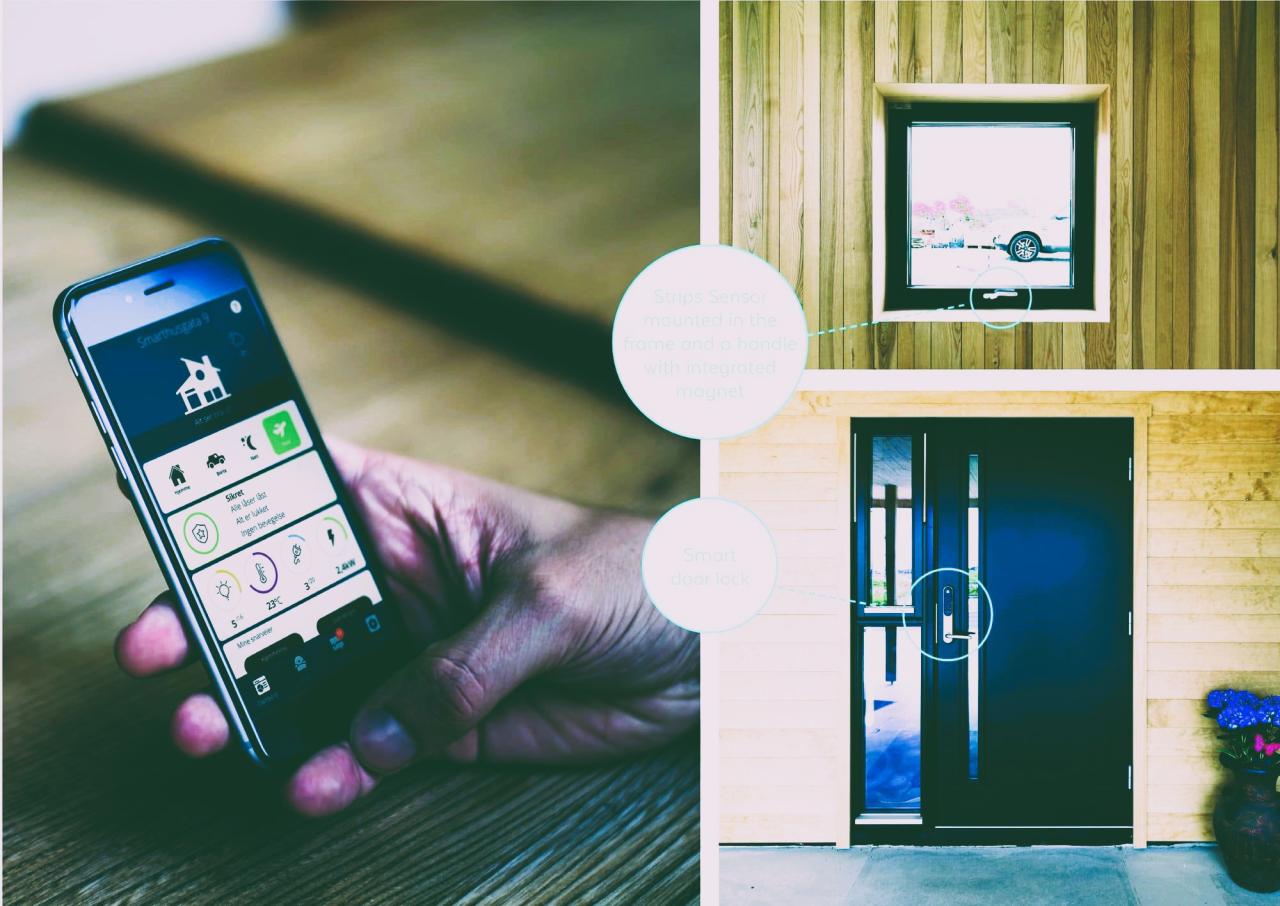
In the realm of smart home devices, ensuring data privacy and protection is paramount to safeguarding personal information and maintaining security within the household. Smart windows and doors, equipped with IoT technology, are no exception to this need for stringent data protection measures.
Importance of Data Privacy and Protection
Smart windows and doors have the capability to collect a vast amount of personal data, ranging from entry and exit times to user preferences and patterns. This data, if not properly secured, can be vulnerable to cyber threats and unauthorized access, posing a risk to the privacy and safety of individuals within the home.
Strategies for Securing Personal Data
- Implement end-to-end encryption to protect data transmission between smart devices and the cloud server.
- Regularly update firmware and software to patch vulnerabilities and enhance security features.
- Utilize strong authentication methods, such as biometric recognition or multi-factor authentication, to prevent unauthorized access.
- Limit the amount of data collected and stored by smart windows and doors to minimize exposure to potential breaches.
Recommendations for Users
- Change default passwords and create unique, complex passwords for each smart device to prevent easy intrusion.
- Enable firewall and antivirus protection on home networks to add an extra layer of security for IoT devices.
- Regularly monitor device activity and review access logs to detect any suspicious behavior or unauthorized access attempts.
- Stay informed about the latest security threats and best practices for IoT security to stay ahead of potential risks.
User Queries
How can smart windows and doors improve home security?
Smart windows and doors provide enhanced security features such as remote monitoring and access control, making it harder for intruders to break in.
What are some common IoT security protocols for smart home devices like windows and doors?
Popular IoT security protocols include Zigbee, Z-Wave, and Wi-Fi, each offering unique advantages in terms of range, power consumption, and compatibility.
How can users ensure the privacy of data collected by smart windows and doors?
Users can protect their data by regularly updating firmware, using strong passwords, and enabling encryption on their smart devices to prevent unauthorized access.