

Introduction

Soundproofing in windows plays a crucial role in maintaining a quiet and peaceful indoor environment. Whether it's to reduce outside noise, increase privacy, or improve energy efficiency, the choice between vinyl and aluminum windows can greatly impact the soundproofing performance of a building.
Key Factors Affecting Soundproofing Performance
- The Material: Vinyl windows are known for their superior soundproofing capabilities compared to aluminum windows. The density and composition of the material can significantly affect how well it blocks out noise.
- Sealing: Proper sealing around the window frame and glass panes is essential for soundproofing. Gaps or leaks can allow sound to penetrate easily, reducing the effectiveness of the windows.
- Glass Thickness: Thicker glass panes tend to provide better sound insulation. Double or triple-pane glass windows are commonly used for enhanced soundproofing.
- Frame Design: The design of the window frames can impact sound transmission. Vinyl frames are often more effective at blocking out noise due to their construction and insulation properties.
- Installation: Correct installation is crucial for maximizing the soundproofing capabilities of windows. Improper installation can lead to gaps or air leaks, compromising the effectiveness of the soundproofing.
Vinyl Windows
Vinyl windows are a popular choice for soundproofing due to their ability to reduce noise transmission from the outside. The materials used in vinyl windows, such as PVC (polyvinyl chloride) and other insulating components, contribute to their sound insulation properties.
Soundproofing Capabilities
Vinyl windows are known for their soundproofing capabilities, as the materials used in their construction help to block out unwanted noise from entering the indoor space. The design of vinyl windows also plays a role in reducing sound transmission, making them an effective option for soundproofing.
Materials Used
The materials used in vinyl windows, such as PVC frames and double or triple-pane glass, are specifically chosen for their sound insulation properties. These materials help to dampen sound vibrations and prevent noise from penetrating through the windows, creating a quieter indoor environment.
Cost-Effectiveness
In terms of cost-effectiveness, vinyl windows are a budget-friendly option for soundproofing compared to other materials like aluminum. They offer a good balance between performance and affordability, making them a popular choice for homeowners looking to reduce noise levels in their homes without breaking the bank.
Aluminum Windows
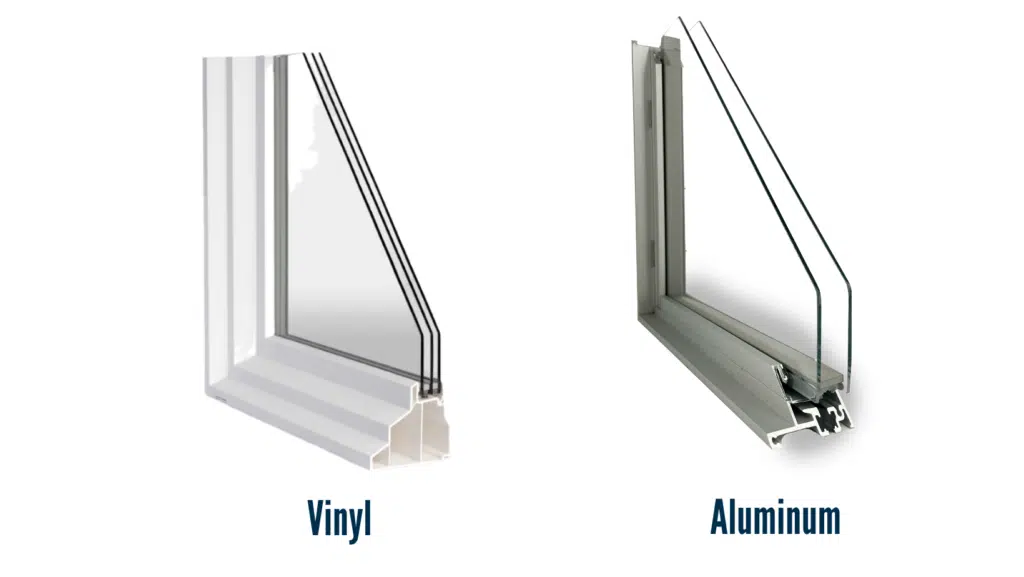
When it comes to soundproofing, aluminum windows offer a different set of features compared to vinyl windows. Let's dive into how aluminum windows perform in terms of sound insulation and their durability in relation to soundproofing.
Soundproofing Features of Aluminum Windows
Aluminum windows are known for their sleek design and strength, but how do they fare in terms of soundproofing? While aluminum is a good conductor of heat, it is not the best material for sound insulation. This means that aluminum windows may not provide as much soundproofing as vinyl windows, which are better at blocking out noise from the outside.
Durability and Maintenance of Aluminum Windows
Aluminum windows are durable and resistant to weather elements, making them a good choice for areas with harsh climates. However, when it comes to soundproofing, the thin profile of aluminum frames may not provide as much insulation as thicker vinyl frames.
Additionally, aluminum windows may require more maintenance over time to ensure they continue to provide adequate soundproofing.
Performance Comparison
In comparing the soundproofing performance of vinyl and aluminum windows, it is crucial to consider various scenarios to determine their effectiveness in reducing noise infiltration. Additionally, examining real-world examples of soundproofing results with both types of windows can provide valuable insights into their practical applications.
Soundproofing Performance
When it comes to soundproofing, vinyl windows generally outperform aluminum windows due to their superior ability to block out noise. Vinyl windows have better insulation properties, which help reduce sound transmission through the window. In contrast, aluminum windows are less effective in blocking out noise due to their thinner frames and lower insulation capabilities.
- Example 1: A homeowner installed vinyl windows in their bedroom facing a busy street and reported a significant reduction in traffic noise compared to when they had aluminum windows.
- Example 2: A recording studio upgraded to vinyl windows to minimize external noise disturbances and saw a noticeable improvement in sound isolation during recording sessions.
Energy Efficiency Implications
In terms of energy efficiency, choosing between vinyl and aluminum windows for soundproofing can have implications on heating and cooling costs. Vinyl windows provide better thermal insulation, helping maintain indoor temperatures and reducing the need for constant heating or cooling.
This can lead to energy savings in the long run. On the other hand, aluminum windows are less energy-efficient as they conduct heat and cold more easily, resulting in potential energy loss.
- It is important to consider the overall energy efficiency of your home when selecting windows for soundproofing purposes. Vinyl windows offer a more energy-efficient solution that can contribute to lower utility bills and improved comfort.
- Aluminum windows, while durable and low-maintenance, may not provide the same level of energy savings and insulation benefits as vinyl windows.
Questions and Answers
Are vinyl windows more cost-effective than aluminum windows for soundproofing?
Yes, vinyl windows are generally more cost-effective compared to aluminum windows when it comes to soundproofing due to their lower cost and efficient insulation properties.
How do aluminum windows differ in sound insulation from vinyl windows?
Aluminum windows typically offer less sound insulation compared to vinyl windows due to their thinner frames and less effective insulation materials.
What are the key factors affecting the soundproofing performance of windows?
The key factors include the material of the window frames, the quality of insulation, the thickness of the glass, and the installation method.